Thinking about listing your home in Rancho Palos Verdes but not sure when to make the move? Timing can influence how many buyers you reach, how long you stay on the market, and how smoothly you close. You also want your sale to align with your next purchase, your family’s schedule, and your financial plan. In this guide, you will learn how seasonality works in RPV, which local factors shift the best month to list, and a clear prep timeline you can follow. Let’s dive in.
RPV selling seasons at a glance
Most U.S. markets see the strongest activity in spring, and Rancho Palos Verdes follows that general pattern. National research highlights that late February through May often brings more buyers, more showings, and faster sales compared with late fall and winter. For broader context on seasonality and trends, you can review market commentary from the National Association of Realtors.
Los Angeles coastal weather is mild, so RPV sees buyer activity year-round. That said, spring still gathers the widest buyer pool. Summer can remain strong, especially for buyers aiming to move before the new school year, while late fall and December often bring fewer casual shoppers but more serious, motivated buyers.
Spring: late February to May
If you want maximum buyer exposure and a strong chance for multiple offers, spring is typically your best window. Many buyers plan around mid-year moves, and agents push clients to act while inventory is fresh. Sellers who prepare during winter can hit the early spring wave with full marketing strength.
Summer: June to August
Summer still works well in RPV, especially for buyers who want to close and settle before school starts. You may see steady traffic but slightly fewer casual lookers. High-quality marketing and accurate pricing help you stand out as inventory shifts.
Fall and winter
Fall can bring motivated relocations and buyers who were outbid in spring. Winter and the holidays usually slow traffic, yet serious buyers remain active. If you value speed and less competition, a well-priced winter listing can work, especially if you want to close by a specific date.
Local factors that shift timing
School-year moves
Many buyers aim to move before the new academic year. Rancho Palos Verdes is served by the Palos Verdes Peninsula Unified School District, so families often target summer move-ins to reduce disruption. If that is your likely buyer, plan your listing so a typical 30 to 45 day escrow allows you to close by mid to late summer. You can check dates on the PVUSD calendar and enrollment information.
Luxury and view properties
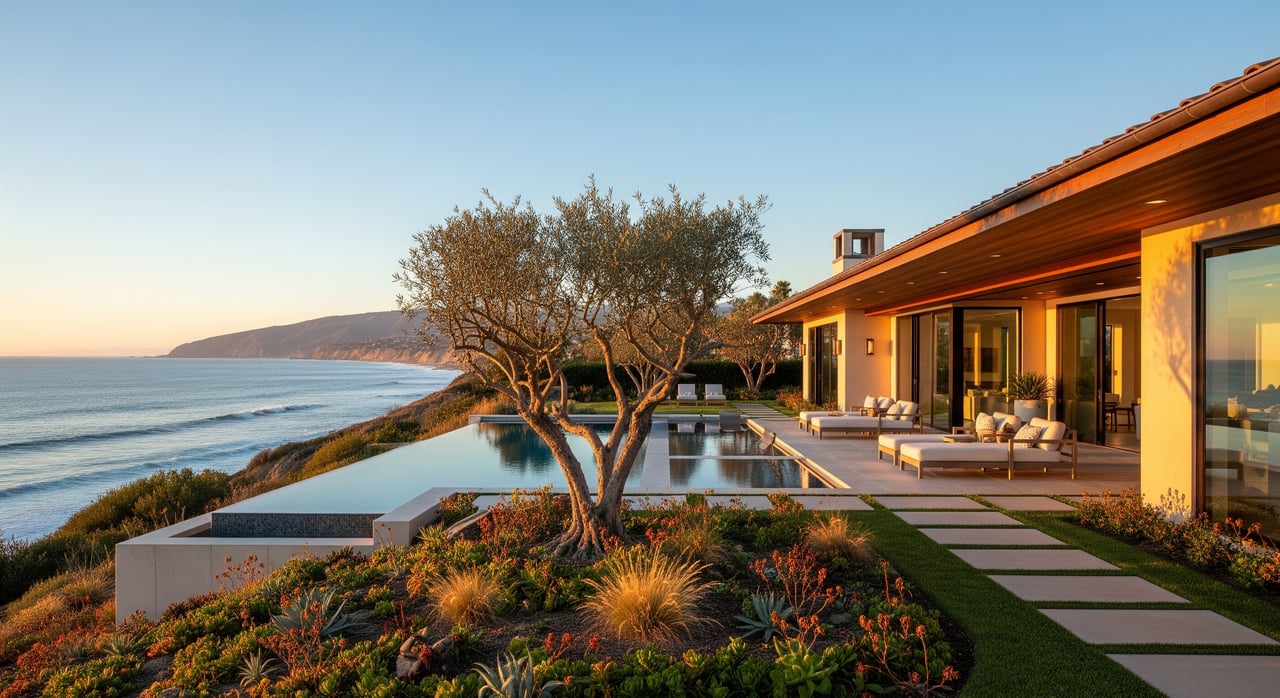
Ocean-view estates and unique hillside homes can sell year-round. These buyers are often more flexible and respond to quality marketing and targeted outreach rather than a specific month. Appraisals on one-of-a-kind properties can be nuanced, so advance preparation and local comparables are helpful. For additional context on complex valuations, the Appraisal Institute is a useful resource.
Inventory and competition
RPV typically has limited inventory due to zoning and lot constraints, which can help sellers when demand is steady. Shorter supply can favor a seller at any time of year. The key is to monitor months of inventory, days on market, and list-to-sale ratios shortly before you list.
Coastal and hillside realities
Some RPV properties sit on hillsides or near bluffs. Buyers may ask about hazards or future permit considerations, and unique lots can prompt additional diligence. Review official resources such as the California Geological Survey’s geologic hazard mapping and CAL FIRE’s fire hazard guidance if relevant to your property. If you anticipate renovations or permits, review local requirements with the City of Rancho Palos Verdes before you set a listing date.
Disclosures and HOA timing
California requires seller disclosures such as the Transfer Disclosure Statement and a Natural Hazard Disclosure. If your property is in an HOA, gathering HOA documents can take time and may affect when you can go live. Ordering your disclosure package and HOA documents early helps you avoid delays during escrow. The California Association of Realtors provides guidance on standard disclosure requirements.
Match timing to your goal
- If you want maximum buyer traffic and competitive pricing: Target late February through May. Use winter for repairs, staging, and document prep so you can launch cleanly in spring.
- If you want a summer move-in for school timing: List in late winter or early spring to allow time for marketing, showings, and a 30 to 45 day escrow before the new school year.
- If you need speed or a specific closing date: Consider late fall or winter with crisp pricing and flexible terms. You may face fewer shoppers but a higher proportion of serious buyers.
- If you are selling a luxury or unique view home: Timing is secondary to marketing quality. Prioritize exceptional photography, targeted outreach, and allow extra time to find the right buyer.
Seller timeline and prep
A thoughtful plan prevents surprises and protects your leverage. Most sellers benefit from 2 to 8 weeks of preparation, depending on the property’s condition and scope of work.
Weeks 1 to 2: Evaluate and line up documents
- Request a local Comparative Market Analysis and align on strategy and timing.
- Order your disclosures early, including the Natural Hazard Disclosure and any HOA documents if applicable. The California Association of Realtors outlines standard items you will need.
- Consider pre-listing inspections, such as general home and pest, to surface issues before buyers do.
Weeks 2 to 4: Repairs, improvements, and staging
- Complete essential repairs that support safety, function, and buyer confidence.
- Stage with an emphasis on light, flow, and view lines. For ocean-view properties, plan for twilight or dawn accents.
- Schedule photography and video on clear days. If permitted and appropriate, aerial and twilight images can elevate your presentation.
Weeks 3 to 6: Marketing build and go-live
- Finalize pricing and terms based on the latest comparables and active competition.
- Launch your listing with professional media and a clear showing plan. Consider open houses that avoid heavy local event weekends.
- Prepare for offer management and appraisal support, especially for unique or high-end properties where comparables are scarce.
Escrow and closing: Plan for 30 to 45 days
In Southern California, many financed transactions close in 30 to 45 days, while cash deals can close faster. Build in time for buyer inspections, appraisal, and lender conditions. If your home is hillside or bluff-adjacent, allow for questions about reports or permits. You can confirm local permit considerations with the City of Rancho Palos Verdes.
Metrics to watch before you list
A few weeks before you go live, monitor key measures so your pricing and strategy reflect current conditions.
- Inventory and months of supply: Low inventory can increase leverage for sellers. Rising supply can shift the dynamic.
- Days on market: Faster market times often correlate with stronger demand. A rising DOM trend can signal caution.
- List-to-sale price ratio: This helps you calibrate pricing and concessions.
- Price per square foot trends: Compare by neighborhood and view tiers for a realistic range.
- Mortgage rates: Rates directly affect buyer purchasing power and urgency. Track weekly trends on the Freddie Mac Primary Mortgage Market Survey.
- Policy and permits: If you plan work or anticipate buyer questions, check requirements with the City of Rancho Palos Verdes.
- Market context: For statewide and national perspective, review updates from the California Association of Realtors and the National Association of Realtors.
Quick decision checklist
- Identify your primary objective: maximum price, speed, or a specific closing date.
- Choose the right season for your goal and price tier. Spring is generally strongest, but luxury listings can succeed year-round.
- Order disclosures and any HOA packets now. These can take 1 to 3 weeks.
- Decide on pre-inspections and schedule them early.
- Complete priority repairs and stage for light and views.
- Plan media for clear days. For view homes, include twilight content when appropriate.
- Watch inventory, DOM, and mortgage rates for 4 to 8 weeks before you list. Use that data to fine-tune pricing and terms.
When you combine smart timing with clean disclosures, polished presentation, and confident pricing, you create the conditions for a smoother sale. If you would like a tax-aware, data-driven timing plan tailored to your goals, connect with Lisa Bourque for a confidential consultation and to Get My Valuation.
FAQs
What is the best month to list in Rancho Palos Verdes?
- Spring, especially late February through May, typically brings the largest buyer pool, while luxury and unique view properties can perform well year-round with strong marketing and correct pricing.
How far in advance should I start prepping my home to sell in RPV?
- Plan for 2 to 8 weeks of prep depending on condition and scope, and order disclosures and any HOA documents immediately since those can take 1 to 3 weeks to assemble.
Do school calendars affect the best time to list in RPV?
- Yes, many buyers aim to move before the new school year, so listing in late winter or spring can help you close by summer; check dates on the PVUSD calendar and enrollment page.
How do mortgage rates influence my listing timing in RPV?
- Rates affect buyer purchasing power and urgency; monitor weekly trends on the Freddie Mac PMMS and align pricing and terms with current affordability.
What if my property is on a hillside or near coastal bluffs in RPV?
- Expect questions about hazards or permits, and consider consulting the California Geological Survey and CAL FIRE resources, plus the City of Rancho Palos Verdes for local requirements.
What disclosures do I need to prepare before listing in RPV?
- California requires items such as a Transfer Disclosure Statement and a Natural Hazard Disclosure, and HOA documents if applicable; see guidance from the California Association of Realtors.