Trying to choose between Santa Monica’s quiet, residential side and its more beach-forward, walkable side? If you are comparing North of Montana and Ocean Park, you are really comparing two very different ways of living in the same city. The good news is that each neighborhood offers a clear lifestyle profile, and once you understand the differences in housing, walkability, beach access, and price, your decision becomes much easier. Let’s dive in.
North of Montana at a Glance
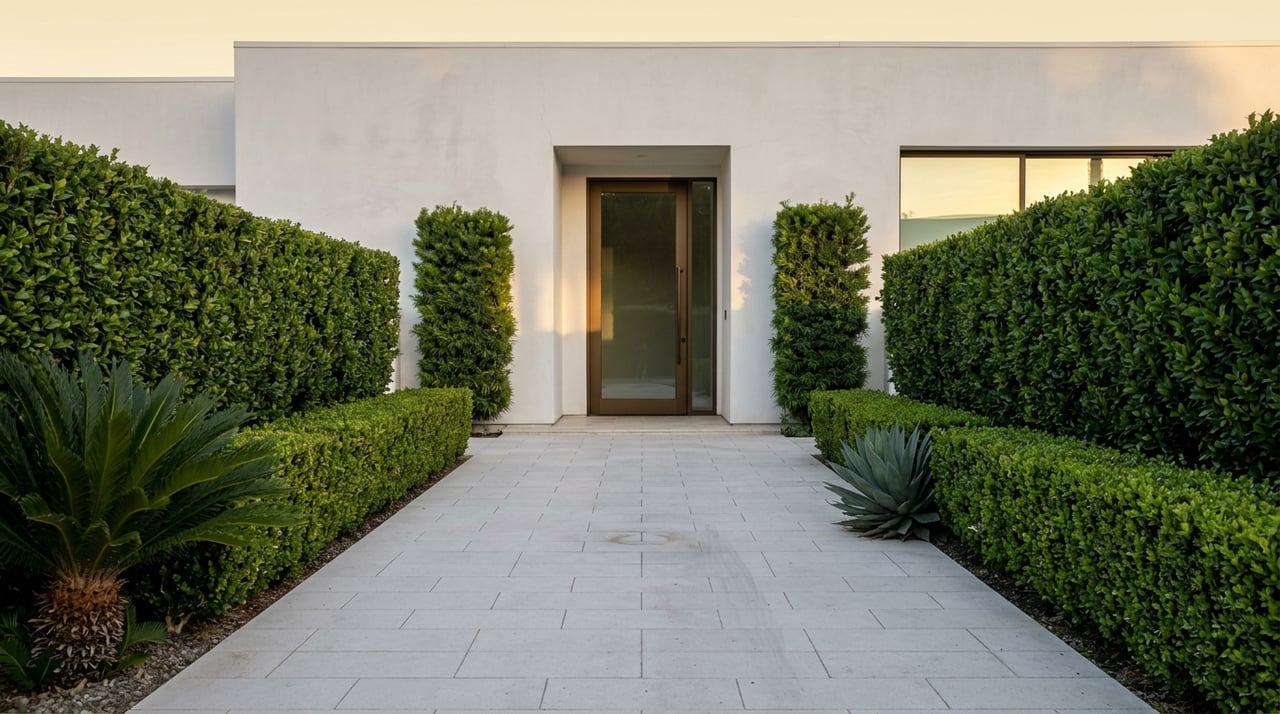
North of Montana is one of Santa Monica’s city-recognized neighborhood areas, and public planning materials describe it as a quieter, tree-lined residential area north of Montana Avenue. The neighborhood is known for larger lots, landscaped streets, and in some sections, scenic ocean and canyon views. If you picture a more private, estate-like feel within Santa Monica, this is the setting many buyers have in mind.
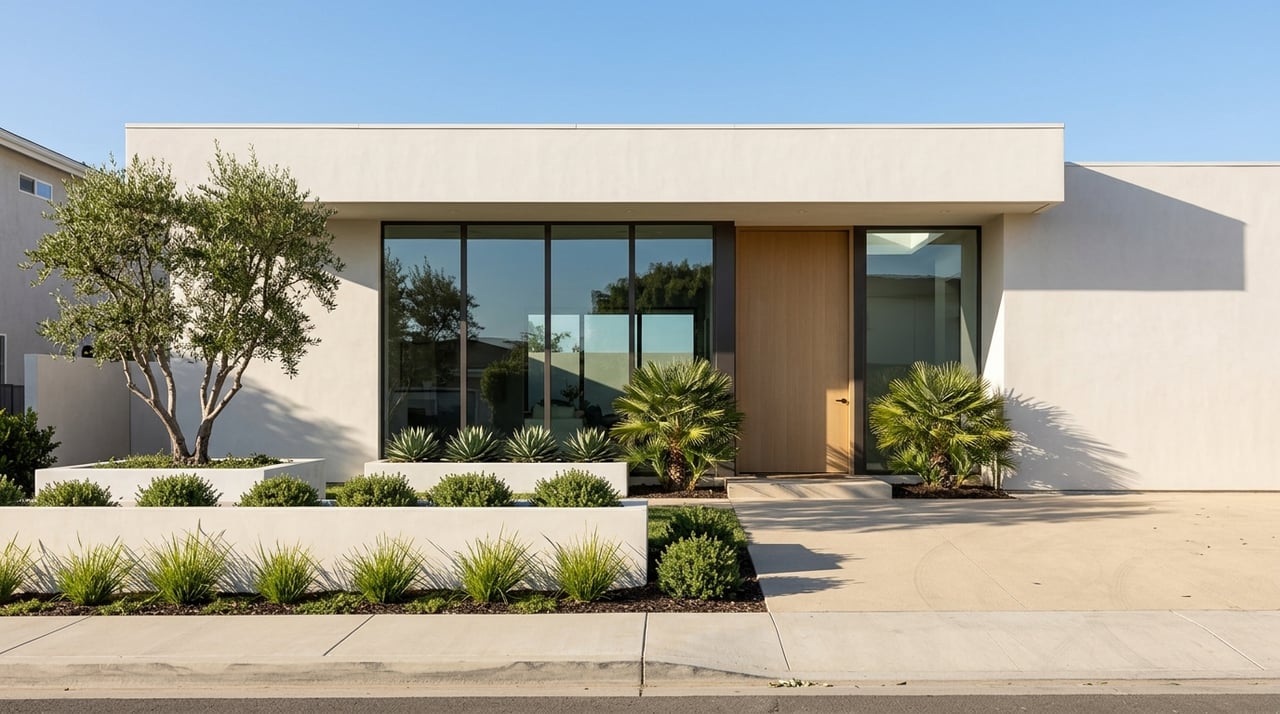
The area is not defined by one single housing style. City materials note a mix of architectural types, including historic homes and styles ranging from Streamline Moderne and Minimal Tradition to modern vernacular design. That architectural variety can be part of the appeal if you want character without feeling locked into a single neighborhood look.
North of Montana also appears to be more heavily weighted toward single-family living than many other parts of Santa Monica. A neighborhood inventory from NOMA lists 3,179 homes and 862 condos, plus relatively small numbers of duplexes, triplexes, and quads. In practical terms, that points to a primarily single-family neighborhood with some multifamily pockets rather than a condo-driven market.
Ocean Park at a Glance
Ocean Park is also a city-recognized neighborhood organization, but the day-to-day experience is very different. It sits in Santa Monica’s southwest corner, bounded by Pico Boulevard, Lincoln Boulevard, the city boundary, and the Pacific Ocean. Public history describes it as one of Santa Monica’s oldest neighborhoods, with roots that include beach cottages, bungalows, boarding houses, apartments, and later condo and multi-unit redevelopment.
That long development history helps explain why Ocean Park feels more layered and varied. Instead of one dominant housing pattern, you will find a broader range of property types and architectural styles. City sources also note that Ocean Park includes one of Santa Monica’s few designated historic districts, the 3rd Street Neighborhood Historic District.
The neighborhood’s generally flat topography and stronger connection to Main Street shape how it feels on a daily basis. Compared with North of Montana, Ocean Park is more tied to street life, errands on foot, and a closer relationship to the beach grid. If you want daily movement, nearby shops, and a more immediate coastal rhythm, Ocean Park tends to stand out.
Housing Style and Property Mix
North of Montana homes
If your priority is land, scale, and a more traditional residential setting, North of Montana may be the stronger match. City planning materials emphasize larger lots, older homes, and substantial yards and gardens in areas such as the Palisades Tract. That creates a sense of space that can be harder to find in denser coastal neighborhoods.
The housing mix still has some variety. While the neighborhood is widely associated with larger single-family homes, it is not exclusively detached housing. There are condos and other smaller-format options in certain pockets, though the overall identity remains more residential and less mixed-use than Ocean Park.
Ocean Park homes
Ocean Park offers a much broader housing menu. Public sources describe everything from beach cottages and bungalow courts to apartment houses, condominiums, mixed-use buildings, and single-family homes. For buyers who want more flexibility in property type, that range can be a real advantage.
Architecturally, Ocean Park also brings a more eclectic feel. The neighborhood’s history includes Craftsman and Spanish Colonial Revival bungalows, vernacular beach cottages, and later redevelopment that added condos and multi-unit properties. If you like a neighborhood where older charm and newer housing coexist, Ocean Park may feel more dynamic.
Walkability and Daily Convenience
North of Montana walkability
North of Montana is walkable in a selective, moderate way rather than an all-day, car-free way. Walk Score rates it at 63 out of 100, with a transit score of 40 and a bike score of 77. The same source reports about 64 restaurants, bars, and coffee shops in the area, with roughly one reachable within a five-minute walk.
That means you can enjoy some local convenience, but the neighborhood is not centered on constant commercial activity. For many buyers, that is part of the appeal. You get access to Santa Monica amenities while keeping a calmer residential backdrop.
Ocean Park walkability
Ocean Park is the clear winner if walkability is high on your list. Walk Score rates it at 93 out of 100, making it Santa Monica’s most walkable neighborhood, with a transit score of 61 and a bike score of 86. The same source notes about 124 restaurants, bars, and coffee shops, with around eight accessible within a five-minute walk.
City improvements along Ocean Park Boulevard support that lifestyle. Santa Monica describes the corridor as a pedestrian- and bicycle-oriented area with wider sidewalks, new trees, bike lanes, crosswalk improvements, and pedestrian-scaled lighting. The corridor also includes two libraries, three commercial districts, and Clover Park, while Main Street remains the primary shopping district.
For many buyers, that adds up to a more village-like routine. You may be able to handle coffee, dining, casual shopping, and some daily errands on foot with far less effort than in North of Montana.
Beach Access and Coastal Feel
North of Montana beach experience
North of Montana offers a coastal setting, but the experience is more bluff-top than toes-in-the-sand. Palisades Park runs along the bluffs with walking paths and views, and city land-use materials describe beach accessways that connect the bluff-top park to the beach using overpasses and stairways. In everyday terms, the neighborhood feels scenic and elevated rather than directly woven into the beach grid.
That distinction matters. If your ideal coastal lifestyle is quiet walks, tree-lined streets, and ocean views from above, North of Montana may feel especially appealing. It delivers coastal atmosphere in a more removed, residential format.
Ocean Park beach experience
Ocean Park offers the more direct beach lifestyle. Because the neighborhood stretches from the Pacific Ocean inland to Lincoln Boulevard, it is more closely connected to flat streets, beach access, and Main Street activity. Public geography and streetscape descriptions support the idea that Ocean Park is the stronger fit if you want the beach to feel like part of your daily routine rather than a nearby destination.
If you imagine morning walks near the coast, casual trips to Main Street, and a more active street scene, Ocean Park likely aligns more closely with that vision. The neighborhood reads as more immediately coastal in how it functions day to day.
Price Differences to Know
The pricing gap between these neighborhoods is meaningful. According to current market data cited in the research, North of Montana had a median sale price of $2.6 million in March 2026, while Ocean Park’s median sale price was $1.438 million. That places North of Montana roughly $1.2 million higher at the median.
That difference reflects more than location alone. Larger lots, lower-density residential character, and the prestige tied to architectural scale and privacy all help support North of Montana’s pricing. Ocean Park, by contrast, offers broader property variety and often a lower median entry point, even while still being firmly within Santa Monica’s premium coastal market.
For buyers making a financially disciplined decision, this comparison is useful. You are not simply choosing between two names on a map. You are choosing between two different value propositions within Santa Monica.
Which Neighborhood Fits Your Lifestyle?
Choose North of Montana if you want
- A quieter, more residential setting
- Larger lots and more private surroundings
- Tree-lined streets and landscaped avenues
- Architectural variety with many older and historic homes
- A bluff-top coastal environment rather than a beach-grid setting
North of Montana tends to fit buyers who see their home as both a personal retreat and a long-term asset where land, privacy, and neighborhood character carry real weight.
Choose Ocean Park if you want
- Strong walkability for daily life
- More direct beach proximity
- Easier access to Main Street shops and restaurants
- A wider range of property types
- A flatter, more active, street-oriented coastal environment
Ocean Park often fits buyers who want Santa Monica’s beach lifestyle to be woven into everyday living. It can also appeal to buyers who want more housing-format flexibility without giving up a strong neighborhood identity.
A Practical Way to Decide
If you are torn between these two neighborhoods, try narrowing your choice to three practical questions.
First, ask yourself how you want your days to feel. If you want calm, privacy, and a more residential rhythm, North of Montana may be the better fit. If you want movement, walkability, and quick access to dining and the beach, Ocean Park may suit you better.
Second, look closely at the kind of property you want. If lot size and single-family scale are leading priorities, North of Montana has a stronger profile. If you want a wider range of homes, condos, and mixed-use-adjacent options, Ocean Park gives you more variety.
Third, weigh the lifestyle against the budget. The median price gap is large enough that many buyers will need to decide whether North of Montana’s premium aligns with their financial goals, or whether Ocean Park offers a better balance of access, lifestyle, and flexibility.
In a market like Santa Monica, clarity matters. The right neighborhood is not just the one with the best reputation or the closest beach access. It is the one that best matches how you want to live and what you want your real estate decision to accomplish.
If you are weighing Santa Monica neighborhoods and want thoughtful, financially grounded guidance, Lisa Bourque offers a boutique, high-touch advisory approach tailored to your goals.
FAQs
What is the main lifestyle difference between North of Montana and Ocean Park in Santa Monica?
- North of Montana is generally quieter, more residential, and known for larger lots, while Ocean Park is more walkable, beach-connected, and centered around daily street life near Main Street.
Which Santa Monica neighborhood is more walkable, North of Montana or Ocean Park?
- Ocean Park is more walkable, with a Walk Score of 93 compared with North of Montana’s 63.
Which Santa Monica neighborhood has more direct beach access, North of Montana or Ocean Park?
- Ocean Park has the more direct beach lifestyle, while North of Montana is more bluff-top and connected to the coast through parks, overpasses, and stairways.
Which Santa Monica neighborhood has larger lots, North of Montana or Ocean Park?
- North of Montana is more closely associated with larger lots, substantial yards, and a lower-density residential setting.
Which Santa Monica neighborhood is typically more expensive, North of Montana or Ocean Park?
- North of Montana is typically more expensive based on the research, with a median sale price of $2.6 million versus $1.438 million for Ocean Park in March 2026.
Which Santa Monica neighborhood has more housing variety, North of Montana or Ocean Park?
- Ocean Park has the broader housing mix, including cottages, bungalows, apartments, condos, mixed-use properties, and single-family homes.