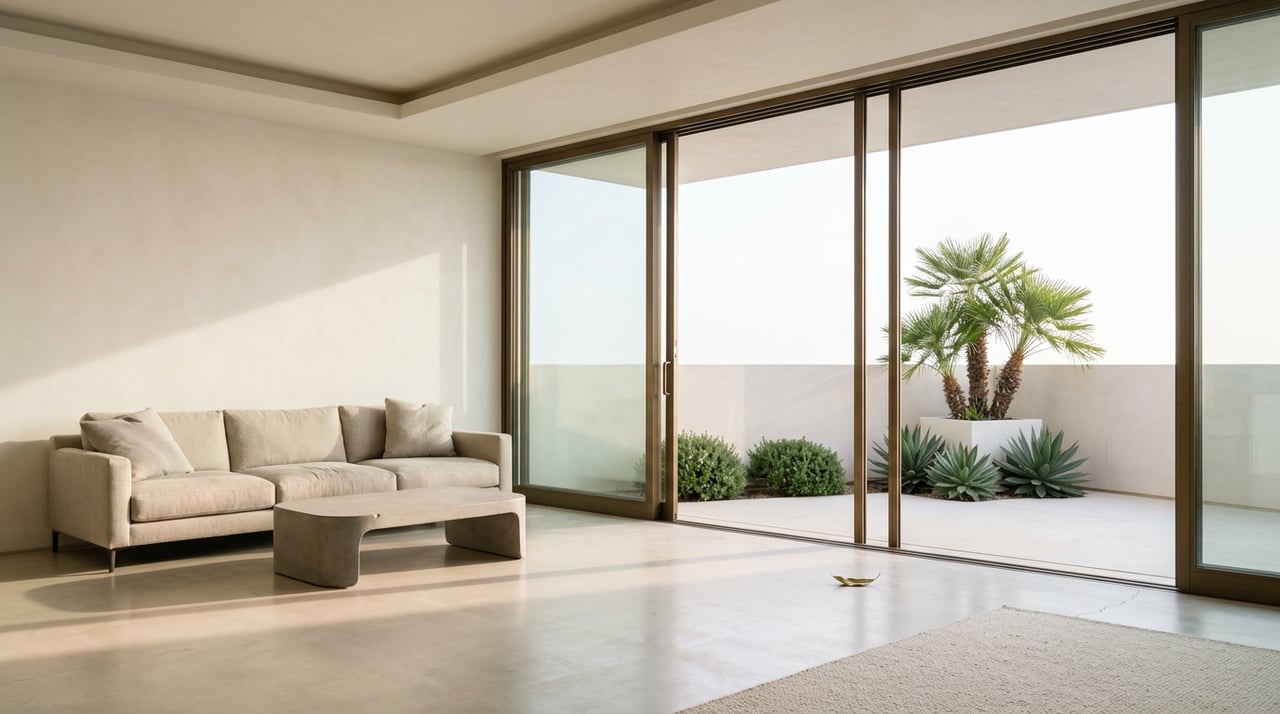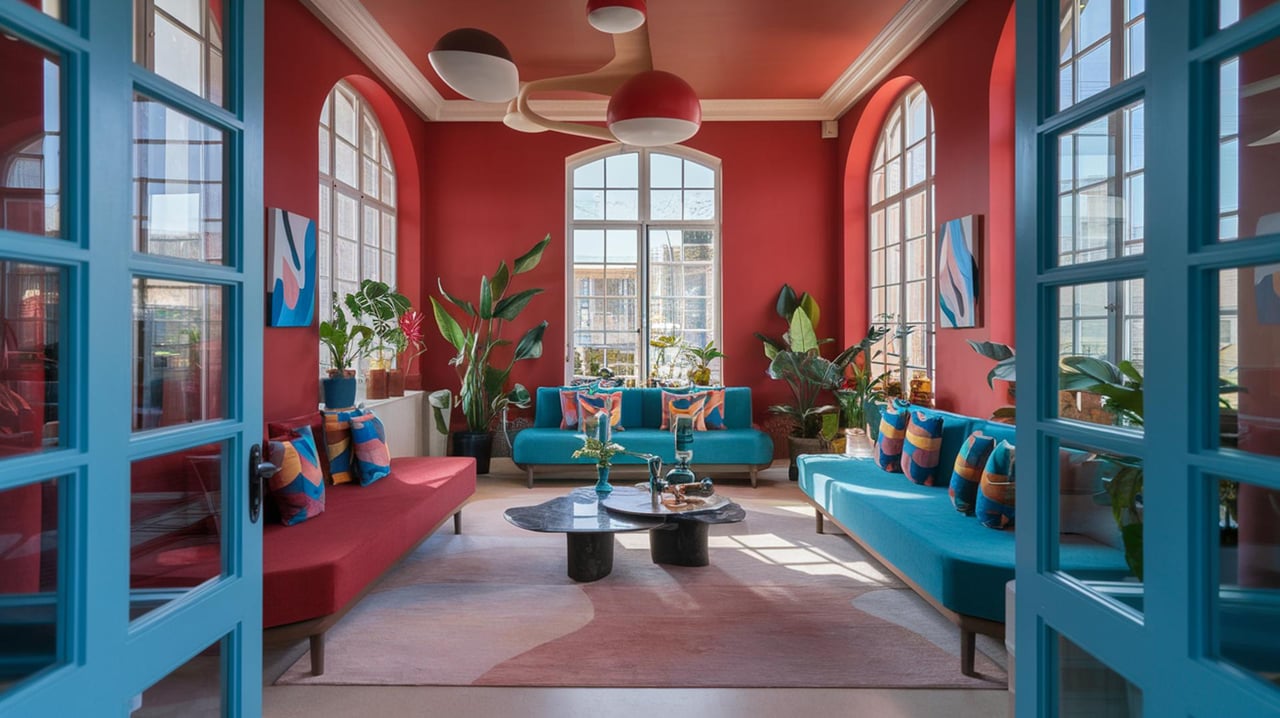
Creating a vibrant room can transform a space, infusing it with energy and personality. Paint tones play a crucial role in achieving this effect, as the right colors can enhance mood, highlight architectural features, and create a cohesive design. Whether you're redecorating a single room or an entire home, understanding how to select and apply paint tones can make a significant difference in the final outcome. Here are some expert tips to guide you in choosing the perfect paint tones for vibrant rooms.
Understanding Color Psychology
Color psychology is an essential consideration when selecting paint tones for vibrant rooms. Different colors evoke different emotions and can influence the atmosphere of a space. For instance, warm colors like red, orange, and yellow are known to energize and stimulate, making them ideal for social spaces like living rooms and kitchens. On the other hand, cool colors such as blue, green, and purple tend to have a calming effect, suitable for bedrooms and bathrooms. Understanding the psychological impact of colors can help you choose tones that align with the intended mood and function of each room.
Choosing the Right Base Color
The base color sets the foundation for your room's color scheme. It's important to select a base color that complements the room's purpose and existing furnishings. Neutral tones like beige, gray, or soft white are versatile choices that provide a backdrop for more vibrant accent colors. If you're aiming for a bold look, consider a rich jewel tone or a deep, saturated hue as your base. The key is to ensure that the base color harmonizes with the room's overall design and enhances the desired ambiance.
Incorporating Accent Colors
Accent colors add depth and interest to a room, highlighting architectural details or drawing attention to specific areas. When choosing accent colors, consider using the color wheel to find complementary or analogous hues that work well with your base color. For example, if your base color is a warm yellow, a complementary accent color could be a cool blue. Incorporating accent colors through paint, furnishings, or accessories can create a dynamic and visually appealing space.
Balancing Light and Dark Tones
Achieving a balance between light and dark tones is crucial for creating a harmonious room. Light tones can make a space feel open and airy, while dark tones add depth and coziness. Consider the room's natural light when selecting paint tones, as this can affect how colors appear. In a room with ample natural light, darker tones can be used more liberally, while in a dimly lit space, lighter tones may be more appropriate to prevent the room from feeling cramped.
Considering the Room's Function
The function of a room should guide your paint tone choices. For example, in a home office, you might opt for colors that promote focus and productivity, such as muted greens or soft blues. In a dining room, rich, warm tones can create an inviting atmosphere for entertaining. Tailoring your color choices to the room's purpose ensures that the space is both functional and aesthetically pleasing.
Testing Paint Samples
Before committing to a paint color, it's wise to test samples on your walls. Paint colors can look different in various lighting conditions and at different times of day. By applying test patches, you can observe how the colors interact with the room's lighting and furnishings. This step helps prevent costly mistakes and ensures that the chosen colors achieve the desired effect.
Creating a Cohesive Color Palette
A cohesive color palette ties together the different elements of a room, creating a unified look. When selecting paint tones, consider how they will interact with existing elements such as flooring, furniture, and decor. A well-coordinated color palette can enhance the room's design and create a seamless flow from one area to another. Using a color palette generator or consulting with a design professional can help you achieve a harmonious look.
Using Paint Finishes to Enhance Design
The finish of your paint can significantly impact the overall look of a room. Matte finishes offer a soft, velvety appearance, ideal for hiding imperfections on walls. Satin or eggshell finishes provide a subtle sheen and are easy to clean, making them suitable for high-traffic areas. Glossy finishes reflect light and add a touch of elegance, perfect for highlighting architectural features. Choosing the right finish can enhance the room's design and contribute to its vibrancy.
Incorporating Trends Wisely
While it's tempting to follow the latest color trends, it's important to incorporate them wisely to ensure longevity. Consider using trendy colors as accents rather than the main hue, allowing for easy updates as trends change. This approach keeps your space feeling fresh and modern without requiring a complete overhaul when trends shift. Keeping an eye on current design trends can provide inspiration, but always prioritize colors that resonate with your personal style and the room's function.
Seeking Professional Advice
If you're uncertain about selecting the right paint tones, seeking professional advice can be invaluable. Interior designers and color consultants have the expertise to guide you in choosing colors that align with your vision and enhance your space. They can provide insights into color combinations, lighting considerations, and design principles that ensure a successful outcome. Engaging a professional can save time and effort, resulting in a vibrant room that reflects your unique style.
Transform Your Space with Vibrant Colors
Choosing the right paint tones can truly transform your living space, making it more vibrant and inviting. With the expert tips shared in this article, you're now equipped to make color choices that reflect your personal style and enhance your home's ambiance. If you're looking for more personalized advice or need help with your home projects, don't hesitate to reach out to Lisa Bourque. Her expertise can guide you in creating the perfect atmosphere for your home.