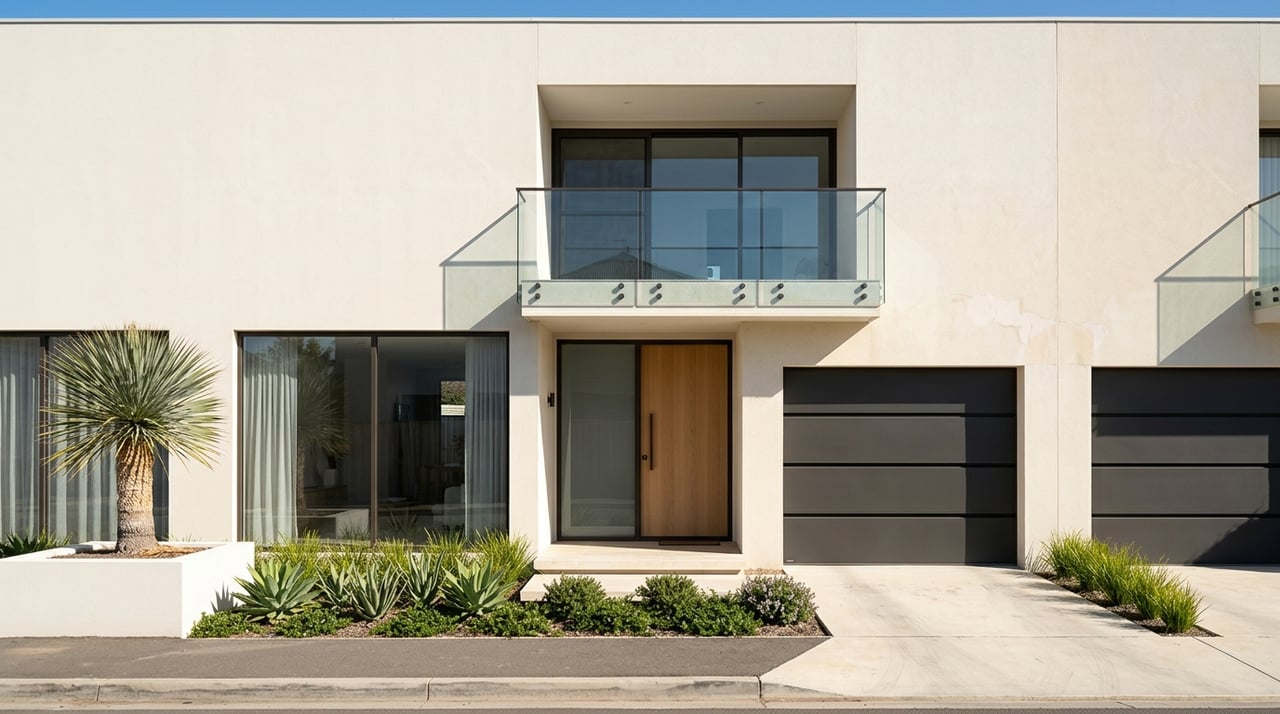
Torn between a low-maintenance townhome and a classic single-family house in Redondo Beach? You are not alone. With prices overlapping and lifestyle trade-offs on both sides, the decision is rarely simple. In this guide, you will learn how each option lives, what it really costs, how HOAs and insurance work in California, and what to watch for before you buy. Let’s dive in.
Redondo Beach market snapshot
Redondo Beach is a competitive coastal market with limited inventory. Recent data shows a median sale price around $1.5 million for all home types, with meaningful variation by neighborhood and proximity to the water. Townhomes and detached houses often overlap in price, from the mid–$1 millions into the $2–$3 million range depending on size, age, and location. In short, you can usually find strong options in both categories in the same budget band.
How each option lives
Space and layout
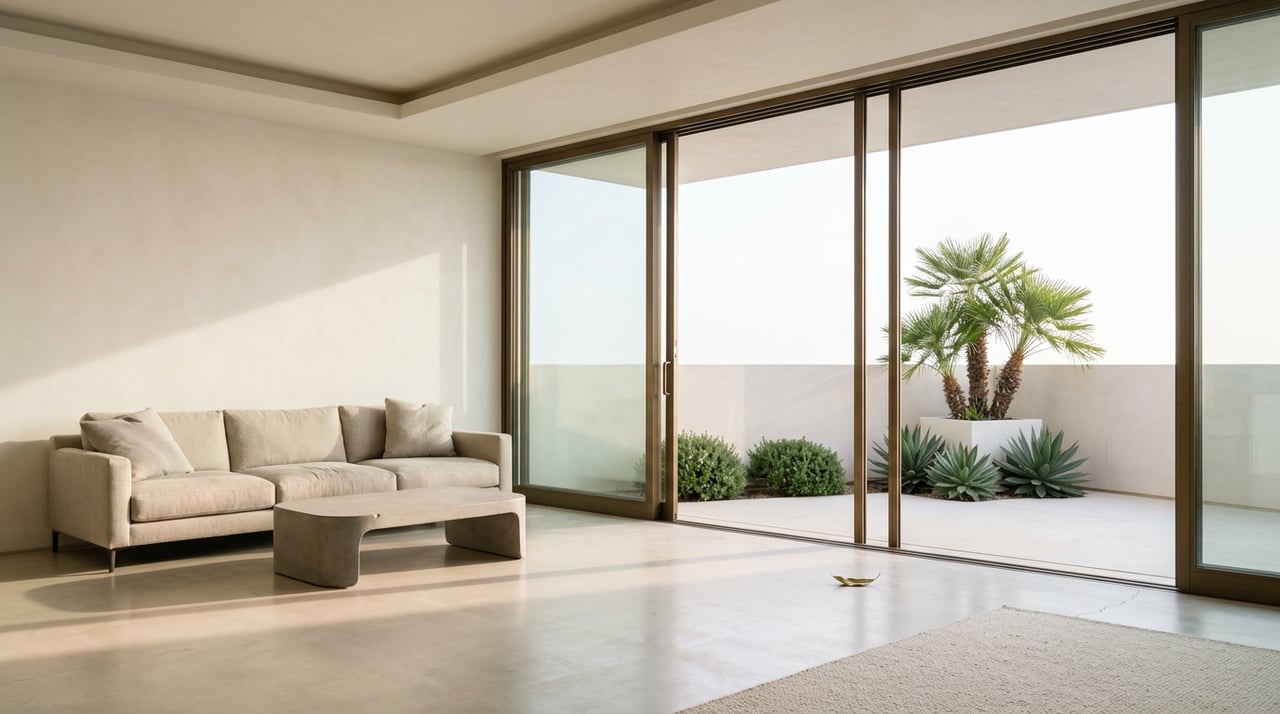
Townhomes in Redondo Beach are commonly two or three levels. They tend to use vertical space well and may include balconies, rooftop decks, or small yards. Many range from about 1,000 to 2,700 square feet depending on age and finish.
Detached single-family homes are often one or two stories, with more flexibility for yard space and future expansion, subject to local zoning. The Redondo Beach municipal code governs R‑1 development standards, outdoor living space, and parking requirements.
Outdoor space and privacy
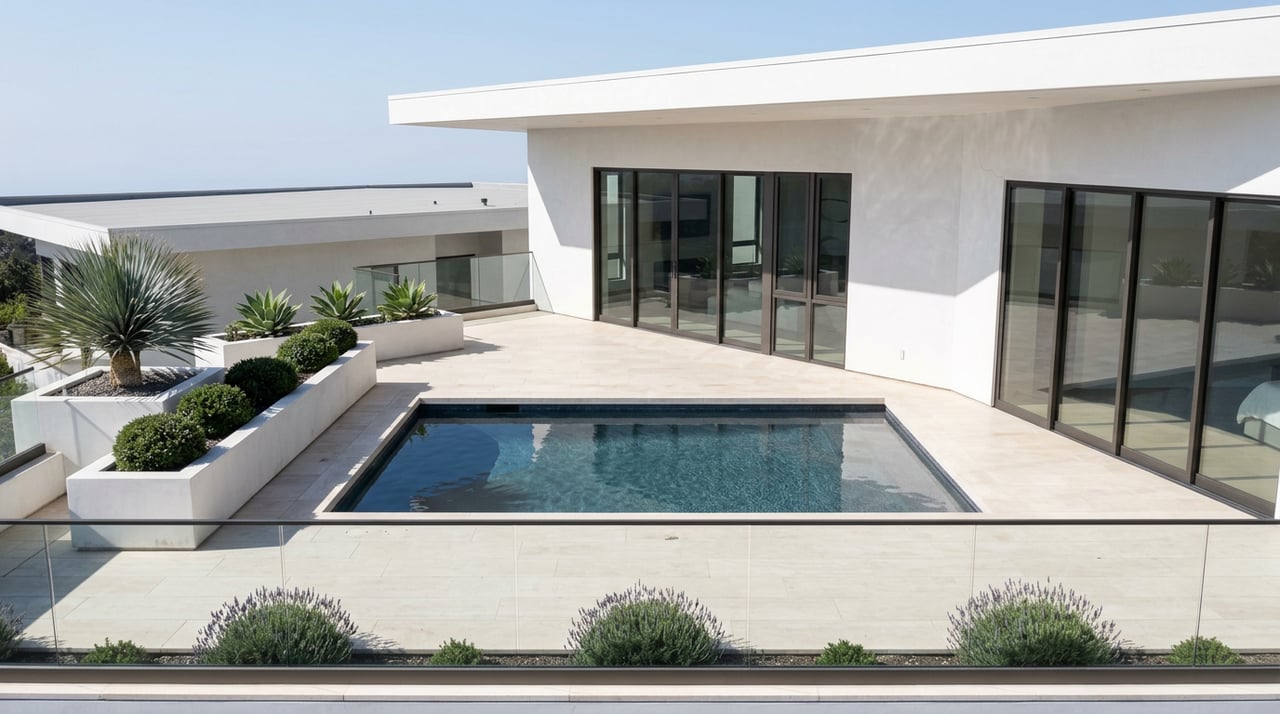
If a private backyard, distance from neighbors, or room for pets and gardens is a priority, a detached home will usually serve you better. Townhomes typically provide patios or balconies, and some end units have larger outdoor areas, but overall yard space is more limited. Many buyers find townhome outdoor spaces ideal for low upkeep, while houses deliver more privacy and flexibility.
Parking and storage
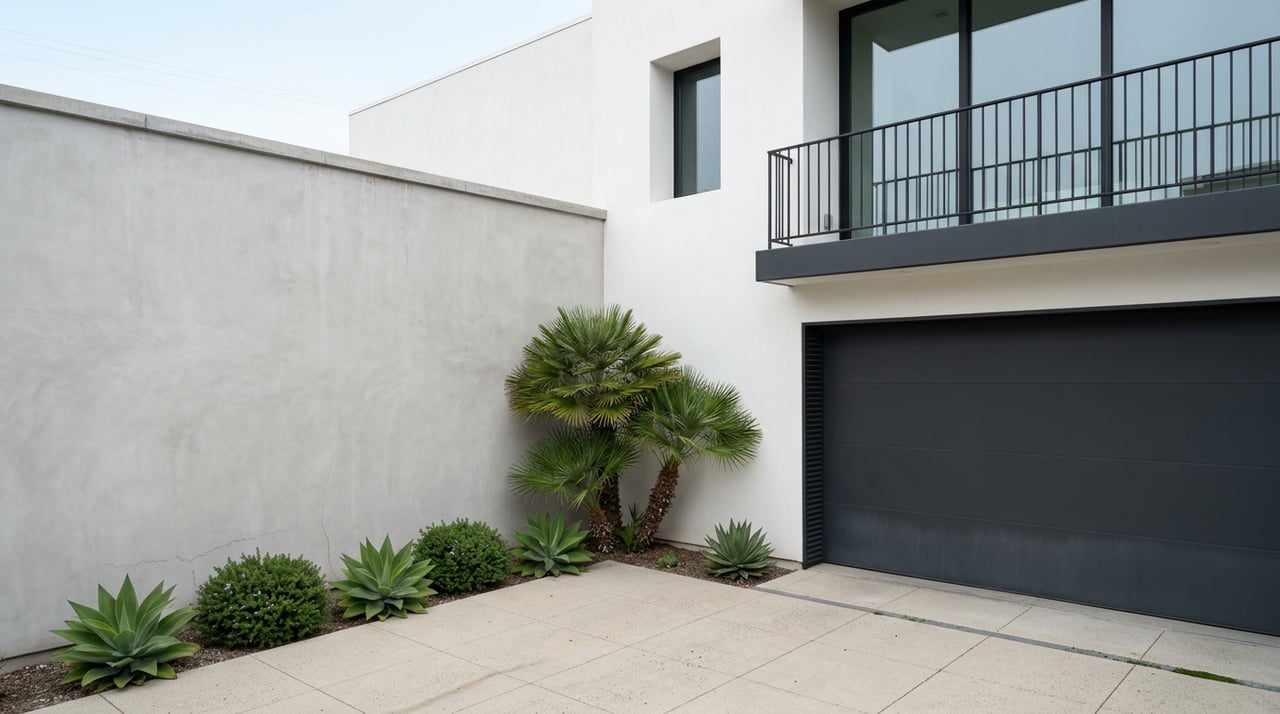
Redondo Beach requires at least one off-street parking space for new primary dwellings, and most detached homes include driveways and two-car garages. Many townhomes include a one- or two-car garage with more limited extra storage. Check garage dimensions, EV charger readiness, and guest parking rules during showings. The municipal code is a helpful reference for standards and definitions.
Costs and budgeting
Your monthly and long-term costs come from more than the purchase price. Think in terms of total carrying cost: mortgage, property taxes, HOA dues (if any), insurance, and maintenance reserves.
- Property taxes: In Los Angeles County, the effective tax rate typically runs about 1.1% to 1.5% of assessed value each year. For a $1.5 million home, that is roughly $16,500 to $22,500 per year, or about $1,375 to $1,875 per month.
- HOA dues: Many Redondo Beach townhomes carry dues in the $150 to $500+ per month range, depending on what the HOA maintains and amenities provided.
- Insurance: Detached homes usually require an HO‑3 policy. Condo/townhome owners typically carry an HO‑6 condo policy for interior build-out, belongings, personal liability, and loss-assessment coverage. Your coverage needs depend on the HOA master policy type (all‑in vs bare‑walls), which you should confirm before binding your own policy.
- Maintenance: A common planning guide is the 1 percent maintenance rule. Budget about 1% of a home’s value per year for upkeep, with more for older homes. For attached units, some exterior costs are covered by HOA dues, but you should still plan for interior items and potential special assessments.
Consider running two side-by-side scenarios based on your short list: one for a townhome with HOA dues and one for a house without dues, each including taxes, insurance, and a maintenance reserve. That comparison clarifies what your monthly life actually costs.
HOA, disclosures, and rules
HOAs typically handle exterior maintenance, roofs, landscaping, common-area repairs, and building insurance. Fees vary widely by building age and amenities. In California, the Davis‑Stirling Common Interest Development Act governs HOA operations, disclosures, reserve studies, and owner rights.
A key update for buyers of attached homes: SB 410 balcony and exterior elements inspection requires that the inspector’s report from the exterior elevated elements inspection process be included in the HOA disclosure packet provided during escrow. This improves transparency around balconies, decks, and similar structures and can affect timing.
Before you remove contingencies, obtain the complete HOA disclosure packet, including CC&Rs, rules, budget, reserve study, insurance summary, meeting minutes, litigation disclosures, and delinquency data. Review how well reserves are funded, the history of special assessments, upcoming capital projects, and the master insurance coverage and deductibles.
Risk on the coast: earthquake and flood
Standard homeowners and condo policies do not cover earthquakes or floods. In California, the Insurance Code requires insurers to offer earthquake coverage, often via the California Earthquake Authority or private carriers. Whether you buy this coverage depends on your risk tolerance and the property’s specifics.
For flood risk, review LA County and FEMA coastal mapping resources for the exact address. If a property sits in a FEMA Special Flood Hazard Area and you use a federally regulated lender, flood insurance is typically required. Ground-floor elevations, drainage, and construction type also matter.
Resale and financing differences
Detached single-family homes tend to have the broadest buyer pool and more predictable comparables, which can help with resale. That said, in tight coastal markets like Redondo Beach, well-located, low-maintenance townhomes often see strong demand too.
Financing can be the big swing factor for attached homes. Lenders evaluate the project, not just the unit. If the condo or townhome community does not meet Fannie Mae condo project standards, buyers may face limited loan options or higher costs, which can affect pricing and days on market. Check owner-occupancy rates, litigation, reserve funding, and delinquency percentages early in your review.
Your decision checklist
Lifestyle fit
- You want lock-and-leave living and minimal exterior upkeep: townhome often wins.
- You want a large private yard, distance from neighbors, and room to expand: detached house usually wins.
- You prefer shared amenities like pools, gyms, or secured entries: townhome communities may deliver this.
- You want full control over exterior choices and timelines: single-family fits better.
Financial fit
- Compare all-in monthly costs: property taxes, HOA dues, insurance, and a maintenance reserve.
- Remember earthquake and possible flood coverage are separate add-ons.
- On townhomes, look closely at HOA dues, reserves, and special-assessment history.
- On single-family homes, plan for exterior items like roof, paint, siding, landscaping, and hardscape.
Due diligence must-haves
- Order the full HOA packet with CC&Rs, budget, reserve study, minutes, insurance summary, litigation disclosures, and delinquency report.
- Confirm inclusion of the SB 410 exterior elevated elements inspection report.
- Verify whether the project is eligible for conventional financing under Fannie/Freddie standards.
- Pull FEMA flood zone data and the city’s floodplain guidance for the address.
- Ask about any parcel taxes or Mello-Roos on the property tax bill.
- Obtain local comps for both townhomes and SFRs in your target micro-neighborhood.
Red flags
- Weak reserves or frequent special assessments.
- Projects with high delinquency rates or active structural litigation.
- Very high HOA master-policy deductibles that shift risk to unit owners.
- Projects that fail conventional condo warrantability checks.
- Properties in FEMA Special Flood Hazard Areas without a workable insurance or mitigation plan.
- Inspection reports showing structural or waterproofing issues with balconies or walkways.
When a townhome shines
- You value convenience and lower personal time on exterior upkeep.
- You want newer finishes, a modern floor plan, and possible amenities within the same budget as an older house.
- You plan to travel often and prefer a lock-and-leave setup with community oversight.
- You are comfortable reviewing HOA documents and understanding reserve funding.
When a house is the better fit
- You want a private yard for outdoor living, pets, or a garden.
- You foresee adding on, reconfiguring, or customizing the property over time.
- You prefer full control over maintenance choices and timing.
- You want to avoid HOA rules, dues, and project-level financing risks.
Bottom line
In Redondo Beach, both townhomes and single-family homes can be smart buys. The best choice depends on how you live, how you budget, and how comfortable you are with HOAs and project-level risk. If you weigh space, privacy, maintenance, insurance, and resale factors side by side, the answer usually becomes clear.
If you want a calm, numbers-forward way to compare options, schedule a confidential consult with Lisa Bourque. As a South Bay REALTOR and CPA, Lisa brings financial rigor and local market insight to help you choose the right property and structure a tax-aware plan.
FAQs
What is the typical price range for Redondo Beach homes?
- Recent data places the median around $1.5 million for all home types, with townhomes and detached homes overlapping from the mid–$1 millions into the $2–$3 million range depending on size, age, and proximity to the coast.
What HOA documents should I review before buying a townhome in California?
- Request the full HOA disclosure packet with CC&Rs, rules, budget, reserve study, insurance summary, litigation disclosures, delinquency data, and the SB 410 exterior-elevated-elements inspection report; the framework is set by the Davis‑Stirling Act and SB 410.
How do insurance needs differ between a townhome and a house in Redondo Beach?
- Houses typically need an HO‑3 policy; attached homes usually need an HO‑6 condo policy that pairs with the HOA master policy. Earthquake and flood are separate from standard coverage; in California, insurers must offer earthquake coverage under the Insurance Code.
Do Redondo Beach parking rules affect my purchase decision?
- Yes. The municipal code outlines off-street parking standards. Many SFRs include multi-car driveways/garages, while townhomes often provide one- or two-car garages with tighter storage.
What is condo “warrantability,” and why does it matter?
- Lenders evaluate the entire project against Fannie Mae condo standards. If a project fails those checks, buyers may face higher rates or limited loan options, which can shrink the buyer pool and affect resale.